


What to Consider Before Adding an ADU to Your Property
- nikki

- Mar 26
- 3 min read

As more homeowners explore ways to make better use of their property, Accessory Dwelling Units (ADUs) are becoming an increasingly popular option.
Whether you’re thinking about a guest house, rental unit, or space for family, an ADU can be a smart addition—but like any build, there are a few important things to consider before getting started.
This isn’t about making the process complicated—it’s about helping you plan properly and avoid surprises along the way.
1. Financing Your ADU
One of the most common questions we get is how ADUs are financed.
If your primary home already has a mortgage, most lenders will not allow a second traditional mortgage for an ADU on the same property.
Instead, homeowners typically explore:
HELOC (Home Equity Line of Credit)
Personal loans
Cash funding
Every situation is different, so it’s always worth speaking with a lender early in the process to understand what options are available to you.
2. Property Value and Taxes
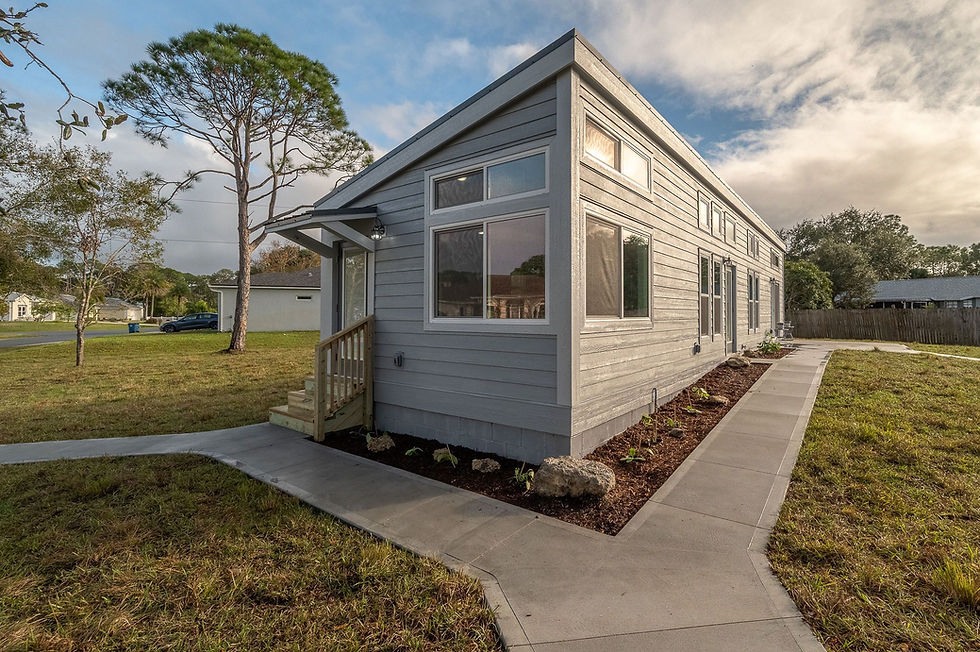
Adding an ADU can increase the overall value of your property—which is often a major benefit, especially if the unit is used for rental income or long-term family use.
However, with increased property value may come:
An adjustment in your property taxes
This isn’t necessarily a downside—it’s simply part of understanding the full picture when investing in your property.
3. Septic and Utility Considerations
If your property is on a septic system, this is an important factor to plan for.
In many cases:
The existing system may need to be expanded or upgraded
Or an additional system may be required depending on local regulations
You’ll also want to consider:
Water and sewer connections
Electrical capacity
Utility access to the new structure
Planning for utilities early helps avoid delays once your project is underway.
4. Zoning and Permitting Requirements
Before moving forward with an ADU, it’s essential to confirm what your local zoning regulations allow.
This can include:
Whether ADUs are permitted on your property
Size limitations
Setback requirements
Placement on the lot
With recent updates—like Florida’s movement toward allowing ADUs more broadly—this process is becoming more streamlined, but every city and county still has its own requirements.
Doing this research upfront is one of the most important steps in the process.
5. How You Plan to Use the ADU
Not all ADUs are built for the same purpose—and how you plan to use the space can influence everything from design to placement.
Ask yourself:
Will this be a rental unit?
A guest house or space for family?
A home office or studio?
Your intended use will help guide decisions like layout, size, and features.
6. Space on Your Property
While ADUs are designed to work within existing properties, you’ll still need to evaluate:
Available yard space
Access for delivery and installation
Setbacks and positioning
Even smaller units require thoughtful placement to ensure they meet local requirements and function well on your lot.
Final Thoughts
Adding an ADU is one of the most effective ways to maximize your property’s potential—whether that’s for additional living space, rental income, or long-term flexibility.
Like any building project, success comes down to planning ahead and understanding the process.
When you take the time to consider financing, zoning, utilities, and your overall goals, you set yourself up for a much smoother experience.
Thinking About Adding an ADU?
If you’re considering an ADU and want to understand what’s possible for your specific property, the best place to start is with a conversation.
We can help you:
Review your property
Walk through your options
Outline what the process would look like
Reach out through our website or give us a call to get started.

